
November 2, 2026
Department of Anthropology, University of Hawaii
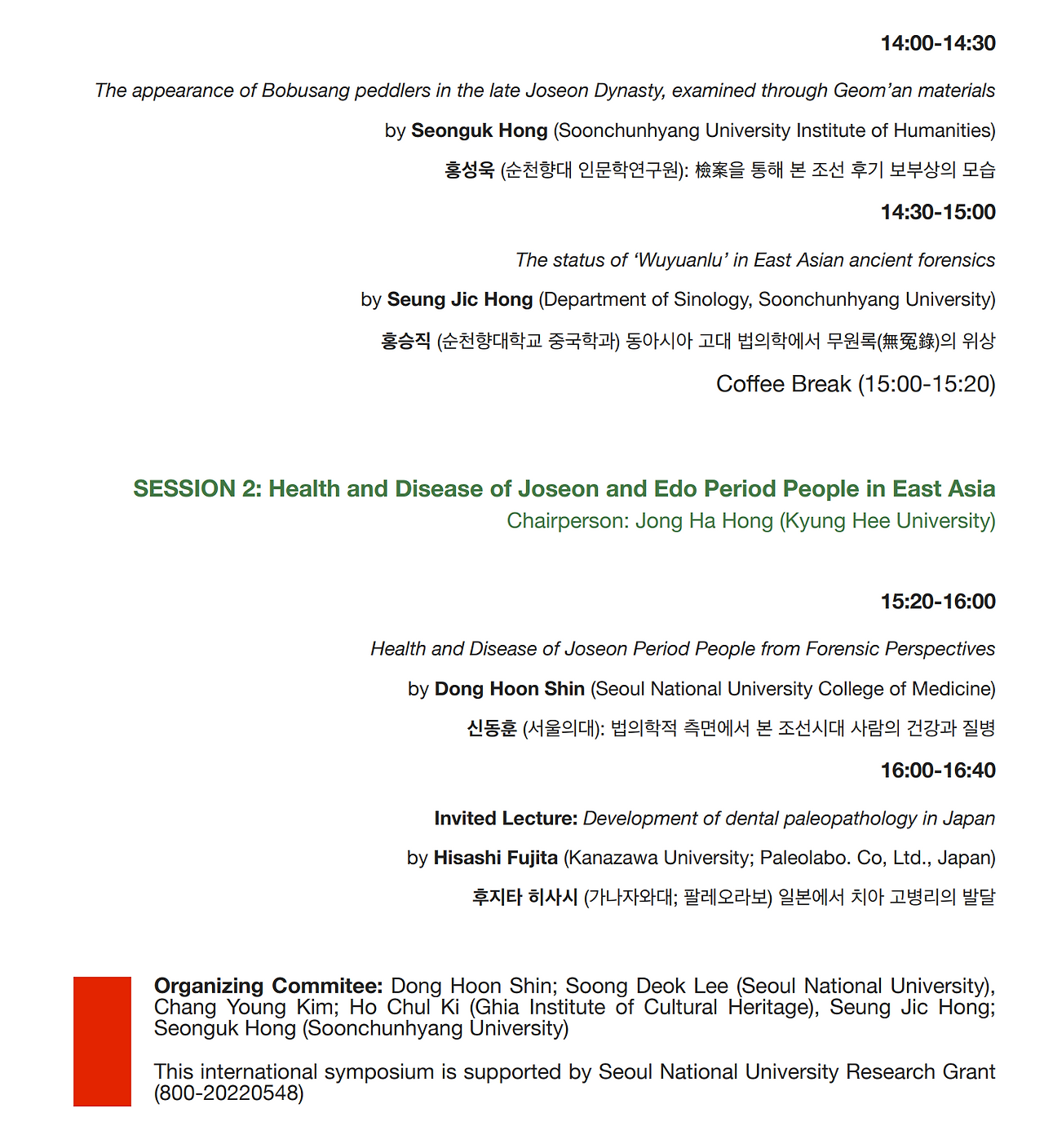
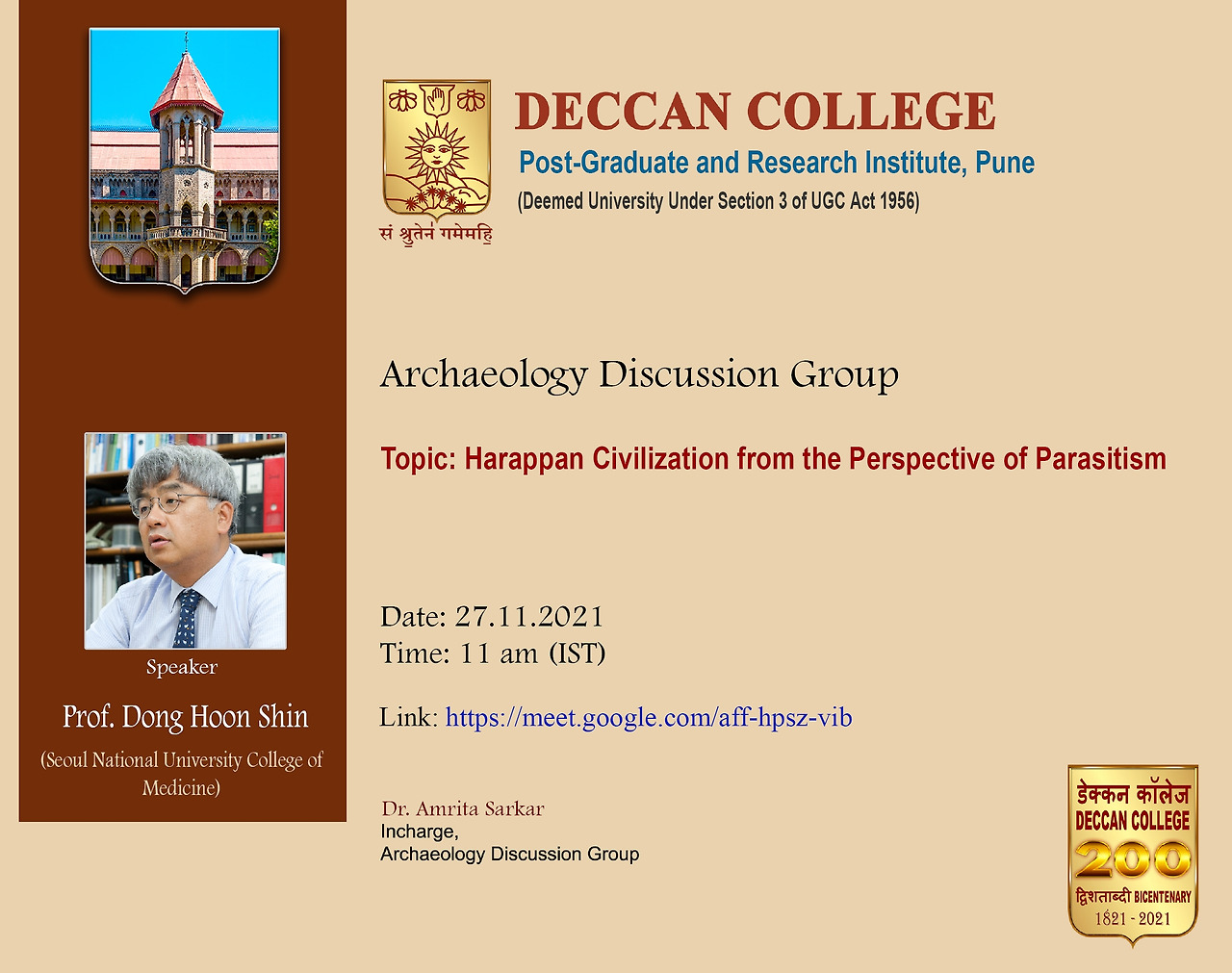
Archaeoparasitology, also known as paleoparasitology, is an interdisciplinary field that investigates parasitic infections in past human populations by integrating archaeological, historical, medical, and biological evidence. As human societies developed through different stages of history, changes in subsistence strategies, settlement patterns, sanitation, and living environments influenced the occurrence and transmission of infectious diseases. Archaeoparasitological research provides valuable insights into these historical processes by identifying parasite remains preserved in archaeological contexts.
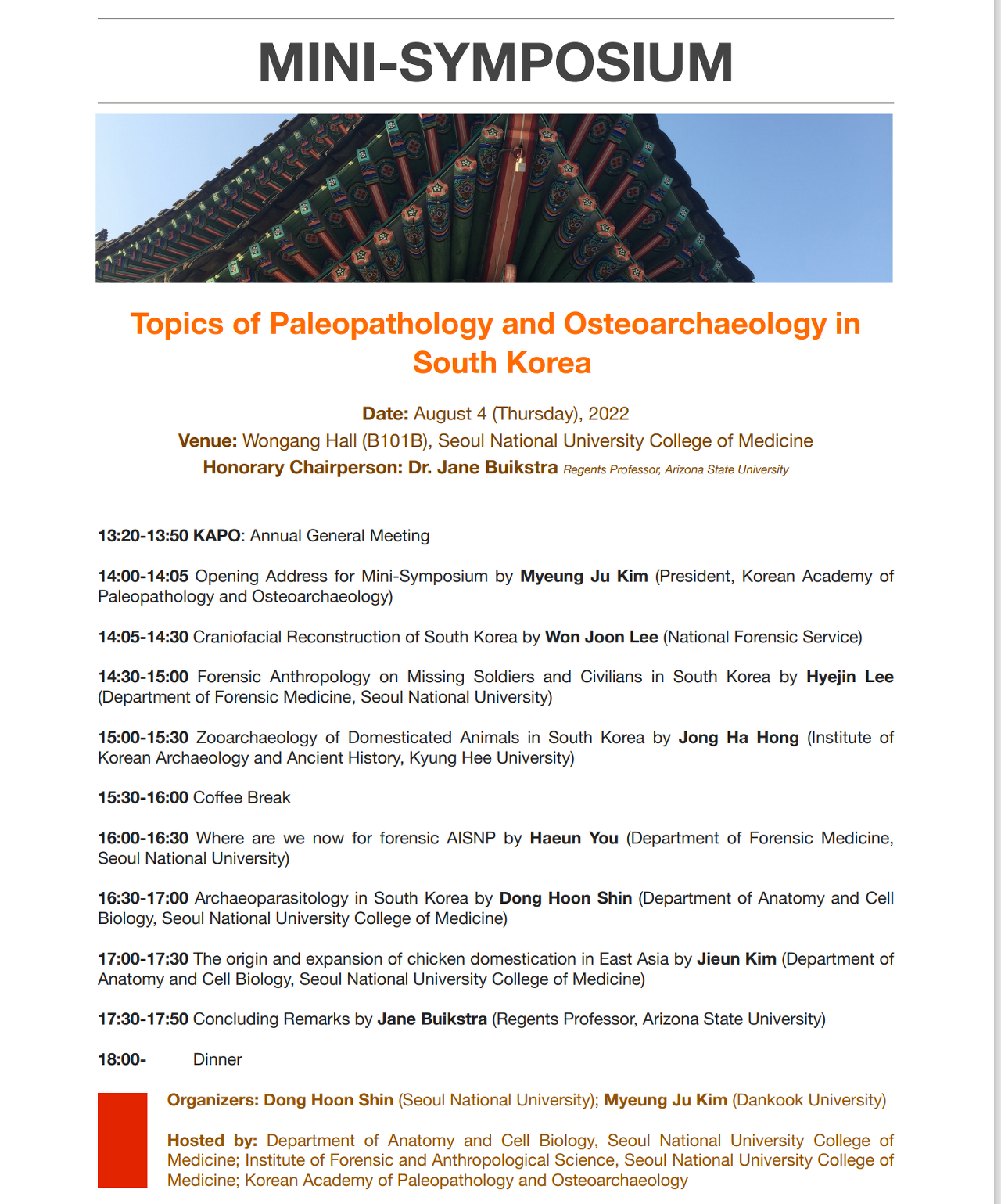
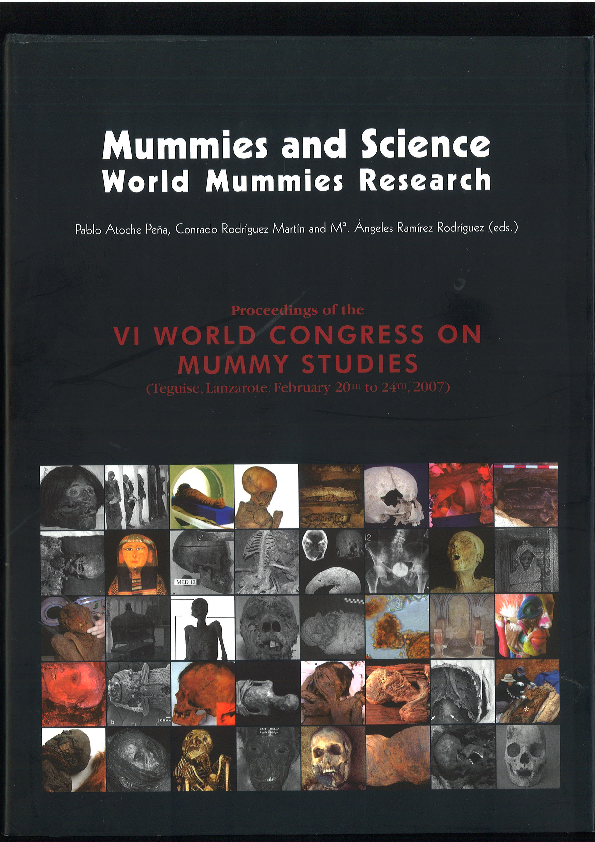
This lecture introduces the fundamental principles and research methods of archaeoparasitology, drawing primarily on studies conducted in Korea. Ancient parasite eggs can be recovered from various archaeological materials, including coprolites, latrines, soil deposits, and naturally preserved mummies. Examples from ancient Korean cities, fortresses, and sanitation facilities demonstrate how archaeological investigations can reveal environmental contamination and parasitic infections in past communities. Studies of Joseon-period mummies further illustrate the value of combining radiological examination, anatomical investigation, and microscopic analysis to identify parasitic diseases that affected individuals centuries ago.
Particular attention is given to the historical changes in the geographical distribution and prevalence of parasitic infections. The identification of Gymnophalloides seoi eggs in 17th-century Korean mummies suggests that the geographical distribution of this parasite was once broader than its currently recognized endemic areas. Furthermore, comparisons between archaeoparasitological findings from Joseon-period mummies and modern epidemiological surveys demonstrate substantial changes in the prevalence of intestinal parasitic infections over time.
These findings highlight the potential of archaeoparasitology to reconstruct the long-term history of infectious diseases and to explore the relationships between human cultural development, environmental conditions, and health. By integrating biological evidence with archaeological and historical information, archaeoparasitology contributes to a more comprehensive understanding of human health and disease throughout history.








댓글 없음:
댓글 쓰기
참고: 블로그의 회원만 댓글을 작성할 수 있습니다.