Mummies, Parasites, and Historical Records: Reconstructing Health and Life in Premodern Korea
Thursday, October 1st, 2026 at 3:00pm, Crawford Hall 115
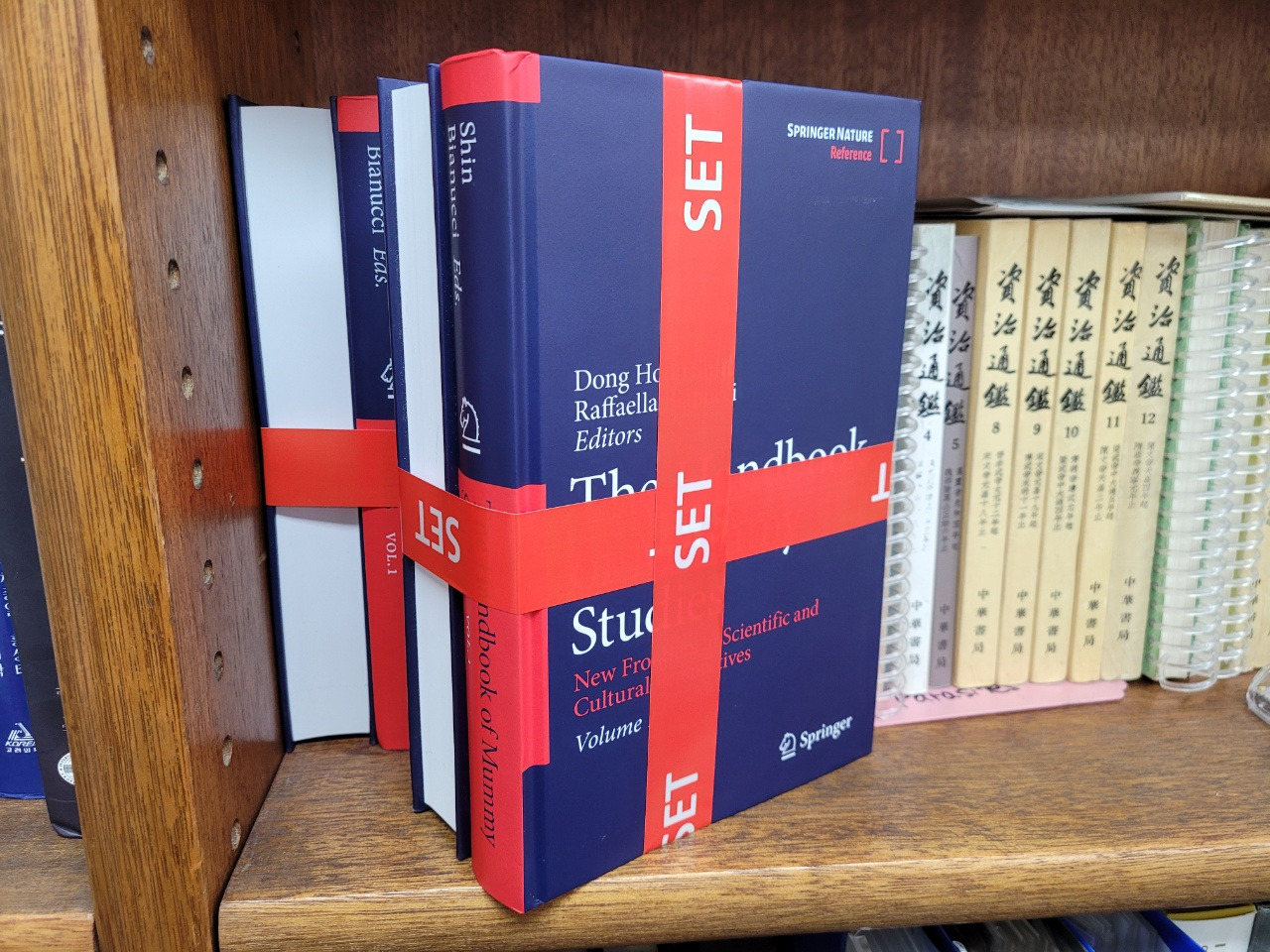
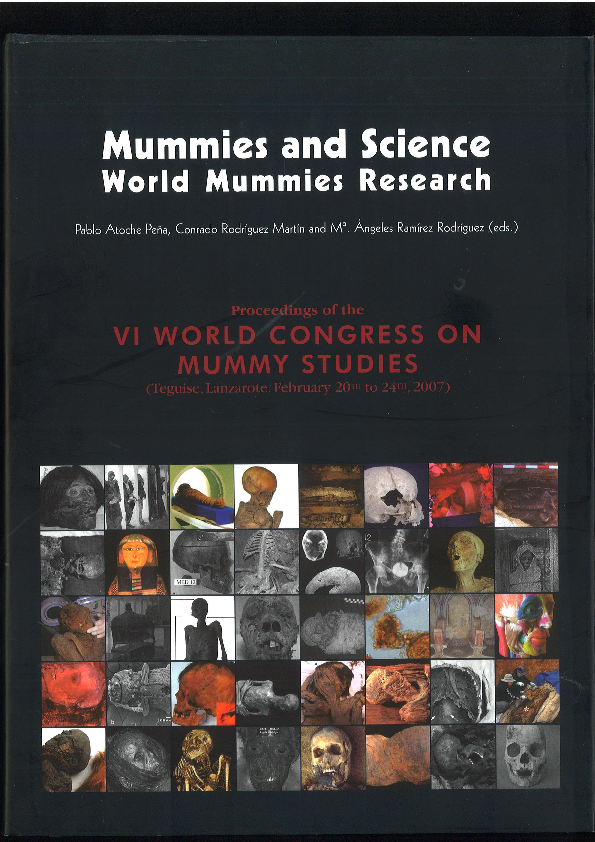
Paleopathology provides a unique window into past human life through the direct examination of biological remains. Over the past two decades, my research has focused particularly on two closely related areas: the multidisciplinary investigation of naturally preserved mummies from the Joseon Dynasty (1392–1910) and the development of archaeoparasitology in Korea and East Asia. Joseon mummies, often exceptionally well preserved within lime-soil mixture barrier tombs, have provided rare opportunities to investigate disease, diet, infection, and other aspects of human life in premodern Korea. Using approaches including computed tomography, endoscopy, histology, molecular analysis, and conventional autopsy, our research has identified a variety of pathological and infectious conditions that would otherwise remain invisible in archaeological skeletal remains. A particularly productive component of this work has been the study of ancient parasites. Parasite eggs and DNA recovered from mummies, coprolites, archaeological sediments, and historical sanitation facilities have allowed us to reconstruct patterns of helminth infection across different periods and environments. These findings demonstrate how parasite ecology was closely connected with diet, sanitation, agricultural practices, and the recycling of human waste. They also make it possible to trace long-term changes in parasite prevalence from premodern populations to the rapid decline of helminth infections in twentieth-century Korea. More recently, my research has increasingly turned toward integrating such biological evidence with historical documents. Rather than treating textual records and scientific data as separate sources, I am interested in developing a dialogue between them: using archaeological and paleopathological evidence to evaluate historical descriptions of disease and everyday life, while using contemporary texts to provide social and cultural contexts for biological findings. I regard this emerging approach as **textual paleopathology**, and it represents one of the directions I hope to pursue in the coming years.
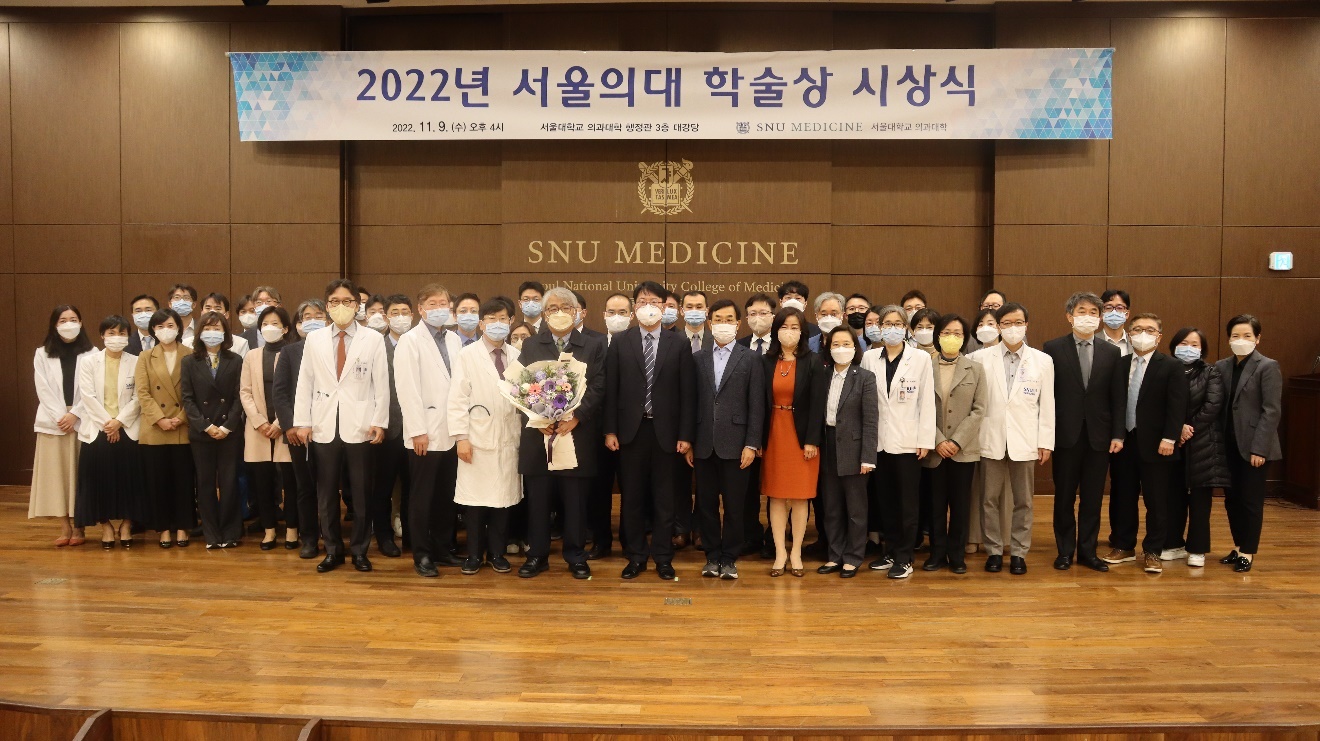
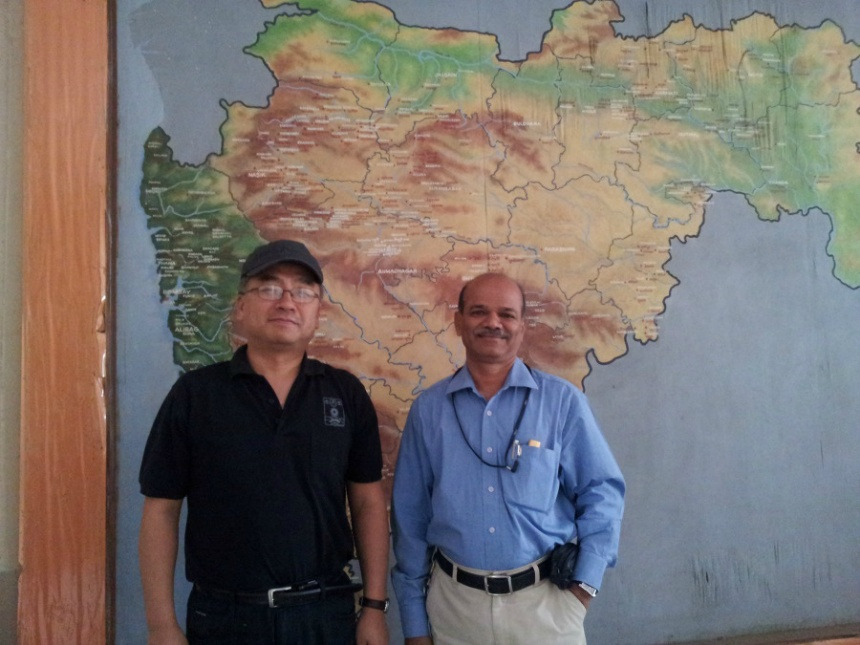
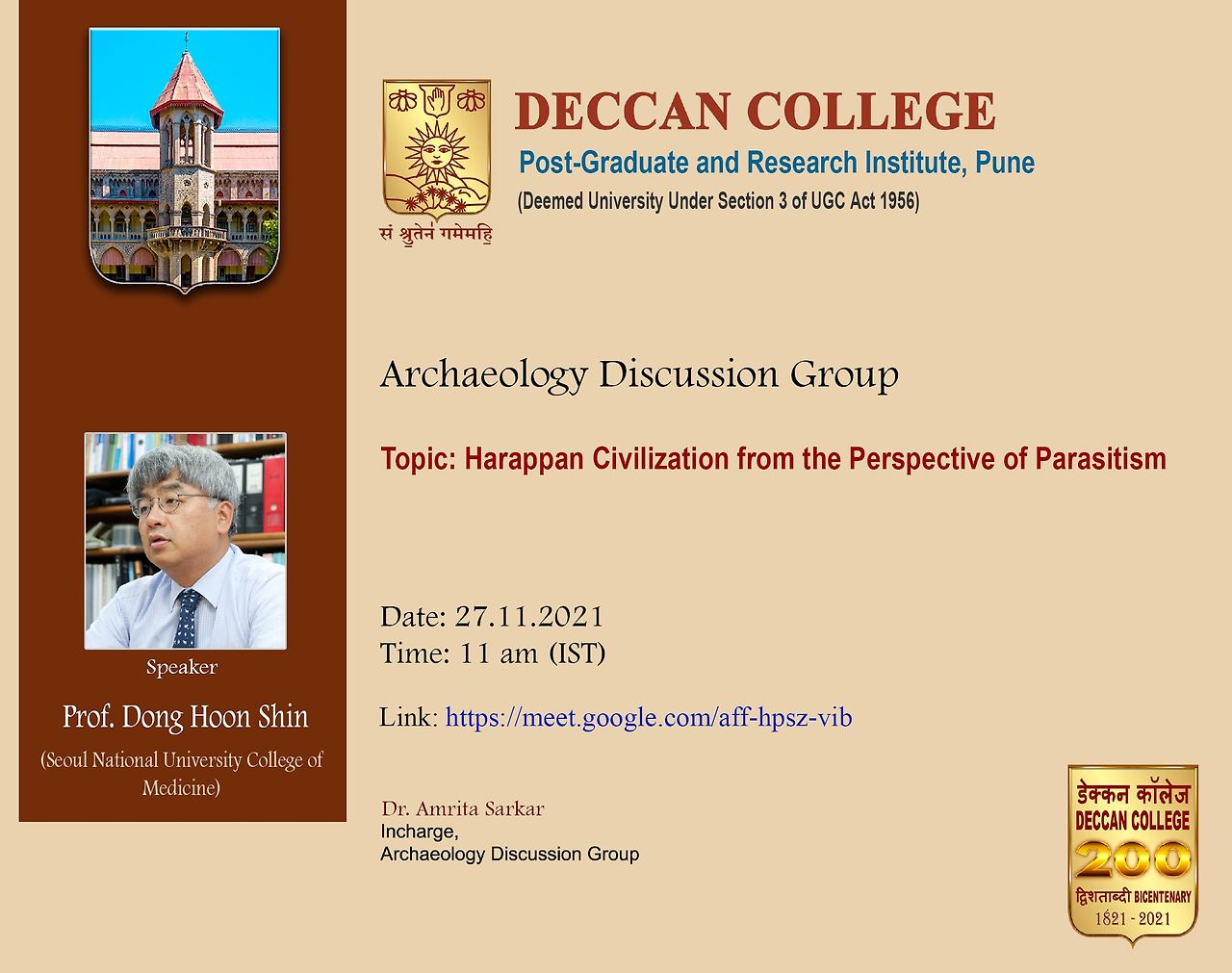
Dong Hoon Shin is a paleopathologist and anatomist from Seoul National University College of Medicine in South Korea, where he is a professor in the Department of Anatomy and Cell Biology and a senior researcher at the Institute of Forensic and Anthropological Science. His interdisciplinary research brings together medicine, anatomy, paleopathology, archaeology, and history to explore health, disease, and everyday life in past populations. His major research projects have focused on Joseon-period Korean mummies, paleoparasitology in East Asia, and bioarchaeological investigations at Rakhigarhi, an Indus Valley Civilization site in India. More recently, he has expanded his research to historical sources, including records of diet, genealogies and household registers, historical demography, and murder investigation records from the Joseon Dynasty. During his time at the University of Hawaiʻi, he hopes to further develop these interdisciplinary approaches, particularly by integrating biological and archaeological evidence with historical texts to better understand health, disease, and human life in past East Asian populations.








댓글 없음:
댓글 쓰기
참고: 블로그의 회원만 댓글을 작성할 수 있습니다.